Sandwell Pharmacy Group
Pharmacy First & Minor Illness

Threadworm

Threadworm is one of the everyday conditions our pharmacists treat through our free NHS minor illness service — advice and treatment without a GP appointment.
Check eligibility & get treated →
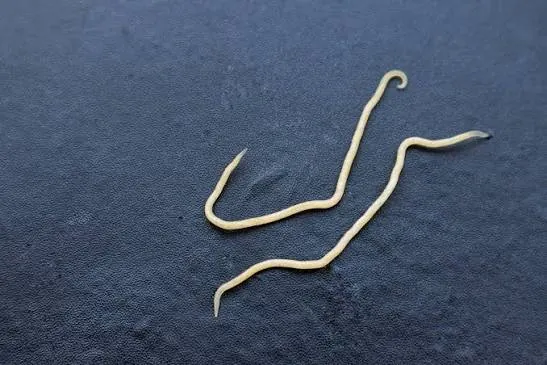
Two threadworms on a dark surface

How we treat it

Speak to our pharmacist in the private consultation room. Where appropriate we can supply treatment free of charge under the local NHS minor ailments scheme, or recommend the best over-the-counter option.

Who's eligible?

Free NHS treatment is available if you are registered with a participating local GP and do not pay for prescriptions; everyone else can still get expert advice and low-cost treatment. Use our one-minute eligibility checker and our pharmacist will be in touch to arrange your consultation — or just walk in.

Get help today instead if you have:Call us on 0121 500 5756, your GP, or NHS 111. In an emergency call 999.
Start eligibility check →

Threadworm, explained

What it is, what to look out for, and what actually helps — from the pharmacists who treat it every day.

What are threadworms?

Threadworms are tiny white worms — like short pieces of cotton thread — that live in the gut and lay eggs around the bottom at night, causing intense itching. They're extremely common in children and spread through swallowed eggs picked up from hands, surfaces and bedding.

The itch-scratch-swallow cycle is how they keep going: scratching collects eggs under fingernails, and the eggs find their way back to the mouth. Treatment is a simple single-dose medicine for the whole household, paired with two weeks of strict hygiene to break the cycle — our pharmacist can supply everything and talk you through it.

Your child may have threadworms if they have:

  • 1
    Intense itching around the bottom, worse at night
  • 2
    Small white thread-like worms in poo or around the bottom
  • 3
    Disturbed sleep, irritability and restlessness
  • 4
    In girls, itching or redness around the vulva
  • 5
    Sometimes no symptoms at all — spotting worms is the giveaway
How do children catch threadworms?
By swallowing the microscopic eggs — from contaminated hands, food, toys or surfaces. Eggs survive up to two weeks outside the body, so they pass easily around nurseries, schools and households. It has nothing to do with pets: threadworms only live in humans.
How is threadworm treated?
A single dose of mebendazole for everyone in the household aged 2 and over (pregnant women, breastfeeding mums and under-2s need advice first — ask us). It kills the worms but not the eggs, so many people take a second dose after two weeks, combined with the hygiene measures that stop reinfection.
What hygiene measures actually matter?
For two weeks: hands washed and nails scrubbed after every toilet trip and before every meal, nails kept short, a bath or shower each morning to wash away overnight eggs, underwear changed daily, and no nail-biting or thumb-sucking. Damp-dust bedrooms and wash bedding on treatment day.
Does the whole family really need treating?
Yes — threadworm spreads so easily within a household that treating only the itchy child almost guarantees reinfection. Everyone takes the dose on the same day, whether they have symptoms or not, with the exceptions above who need pharmacist or GP advice first.
Do threadworms cause any harm?
They're more unpleasant than dangerous — the main problems are itching, broken sleep and sore skin from scratching. Rarely, heavy or persistent infestations can cause weight loss or, in girls, urinary symptoms; if worms keep returning despite proper treatment and hygiene, see your GP.

Read more on this

Written by our pharmacy team — practical detail on treatment, timing and when to get help.

Health HubThreadworm: Why You Treat the Whole House, Not Just the ChildThe hygiene fortnight that stops it coming straight back.Read the guide →
All health articles →
This may be free on the NHS

Threadworm is covered by the NHS Minor Ailments Scheme. If you are exempt from prescription charges and registered with a Black Country GP, our pharmacist can supply the medicine free of charge — no GP appointment needed.

Check if you qualify →
0121 500 5756