Sandwell Pharmacy Group
Pharmacy First & Minor Illness

Impetigo

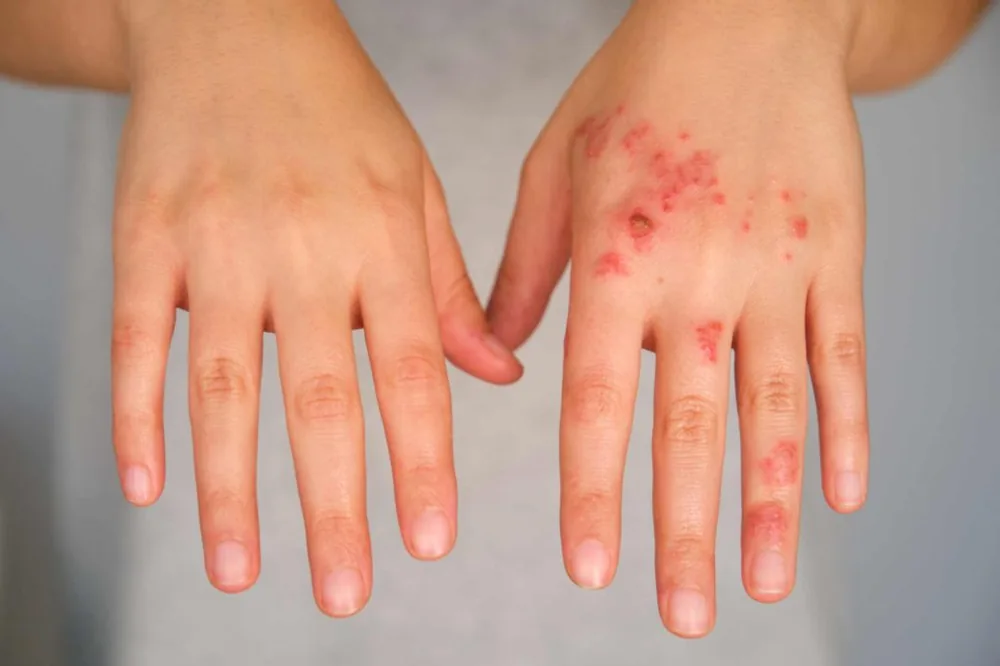
Impetigo is a contagious skin infection causing sores and blisters that burst and leave golden-brown crusts, most often around the nose, mouth and hands.
Check eligibility & get treated →
Hands showing red crusted impetigo sores on the skin

How we treat it

Our pharmacist can confirm impetigo and supply NHS antibiotic creams or tablets where appropriate, for anyone aged 1 and over.

Who's eligible?

Available free on the NHS for anyone aged 1 or over. Use our one-minute eligibility checker and our pharmacist will be in touch to arrange your consultation — or just walk in.

Get help today instead if you have:Call us on 0121 500 5756, your GP, or NHS 111. In an emergency call 999.
Start eligibility check →

Impetigo, explained

What it is, what to look out for, and what actually helps — from the pharmacists who treat it every day.

What is impetigo?

Impetigo is a common and very contagious bacterial skin infection, most often seen in children. It starts as red sores or blisters — typically around the nose and mouth — which quickly burst and leave the tell-tale golden-brown, honey-coloured crusts.

It isn't usually serious, but it spreads easily to other parts of the body and to other people, so prompt treatment matters. Under Pharmacy First our pharmacist can diagnose impetigo and supply NHS treatment — antibiotic cream or tablets where appropriate — for anyone aged 1 and over.

You may have impetigo if you have:

  • 1
    Red sores or blisters, often around the nose, mouth or on the hands
  • 2
    Sores that burst quickly and weep fluid
  • 3
    Golden-brown or honey-coloured crusts as they dry
  • 4
    Itching or mild soreness around the patches
  • 5
    New patches appearing nearby or elsewhere on the body
What causes impetigo?
Bacteria — usually Staphylococcus aureus or Streptococcus — getting into skin through a cut, graze, insect bite or skin already damaged by eczema. It spreads through direct contact with the sores or via towels, flannels, bedding and toys, which is why it romps through households and classrooms.
How is impetigo treated?
Small, localised patches are usually treated with an antibiotic or antiseptic cream; more widespread impetigo may need antibiotic tablets or liquid. Treatment shortens the illness and, importantly, makes you non-contagious much faster. Our pharmacist can assess and supply NHS treatment the same day.
How long should my child stay off school with impetigo?
Children should stay off school or nursery until the patches have crusted over and dried out, or until 48 hours after starting antibiotic treatment. The same applies to adults and work, particularly in food handling or healthcare roles.
How do I stop impetigo spreading at home?
Don't touch or scratch the sores, wash hands frequently, and give the affected person their own towel and flannel. Wash bedding, towels and clothes at a high temperature, keep fingernails short, and don't share bath water. Cover sores loosely where practical.
When should I get further help?
If the impetigo is widespread, keeps coming back, isn't improving after a week of treatment, or the person becomes feverish and unwell, it needs a further review. Also seek advice if the skin around the sores becomes hot, swollen and painful, which can signal a deeper infection.

Read more on this

Written by our pharmacy team — practical detail on treatment, timing and when to get help.

Health HubImpetigo: School and Nursery Rules, and Stopping the SpreadWhen children can go back, and how to stop it going round the house.Read the guide →Health HubEczema: Getting Emollients and Steroid Creams RightInfected eczema and impetigo often overlap — here is the difference.Read the guide →
All health articles →
0121 500 5756