Sandwell Pharmacy Group
Pharmacy First & Minor Illness

Earache (Ear Infection)

Middle-ear infections (acute otitis media) are common in babies and children, causing ear pain, fever, irritability and sometimes discharge from the ear.
Check eligibility & get treated →
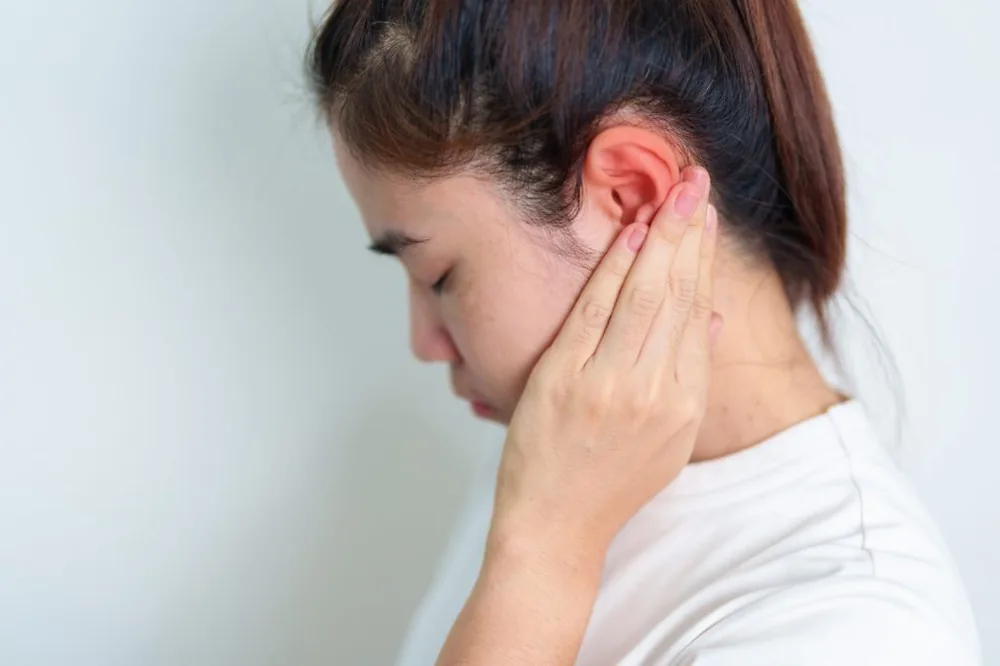
Young woman holding her ear in discomfort

How we treat it

Our pharmacist can examine the ear with an otoscope and supply NHS treatment, including antibiotics where clinically needed, for children aged 1 to 17.

Who's eligible?

Available free on the NHS for children aged 1 to 17. Use our one-minute eligibility checker and our pharmacist will be in touch to arrange your consultation — or just walk in.

Get help today instead if you have:Call us on 0121 500 5756, your GP, or NHS 111. In an emergency call 999.
Start eligibility check →

Earache (Ear Infection), explained

What it is, what to look out for, and what actually helps — from the pharmacists who treat it every day.

What is an ear infection?

Earache in babies and children is most often acute otitis media — an infection of the middle ear, the space behind the eardrum. It usually follows a cold, when fluid builds up behind the drum and becomes infected, causing pain, fever and a miserable, unsettled child.

Many middle-ear infections clear by themselves within three days, but some need treatment. Under Pharmacy First our pharmacist can examine the ear with an otoscope and supply NHS treatment — including antibiotics where clinically appropriate — for children aged 1 to 17. No GP appointment, no waiting on the phone at 8am.

Your child may have an ear infection if they have:

  • 1
    Ear pain — younger children may pull or rub at the ear
  • 2
    Fever, irritability, crying more than usual and poor sleep
  • 3
    Reduced hearing or a feeling of fullness in the ear
  • 4
    Loss of appetite or being off their food
  • 5
    Sometimes fluid or discharge leaking from the ear
What causes ear infections in children?
Middle-ear infections usually follow a cold, when the tube that drains the middle ear gets blocked and trapped fluid becomes infected. Children get them far more than adults because their tubes are smaller and more horizontal. Most are caused by viruses or bacteria and often affect one ear.
How can I ease my child's earache at home?
Children's paracetamol or ibuprofen (not both at once unless advised) will bring down pain and fever. A warm flannel held against the ear can soothe it, and keep them drinking fluids. Don't put cotton buds, oil or drops in the ear unless a clinician has told you to.
Does my child need antibiotics for an ear infection?
Often not — most infections settle within three days on their own, and antibiotics make little difference to those. They're considered when symptoms are severe, affect both ears in a young child, there's discharge, or things aren't improving after a few days. Our pharmacist examines the ear and supplies NHS antibiotics only where the assessment supports it.
When should I get urgent help for earache?
The same day if your child is under 1 with a suspected ear infection (we'll direct you appropriately), has a stiff neck, severe headache, swelling behind the ear, is drowsy or hard to wake, or seems really unwell. Redness and swelling behind the ear can signal mastoiditis, which needs hospital treatment — call 999 or go to A&E.
Can adults use this service for earache?
The Pharmacy First ear infection pathway covers ages 1 to 17. Adults with earache are still very welcome — our pharmacist can examine the ear, advise on treatment, and check for other causes such as outer-ear infections or wax, and wax-related blockages can be cleared by — see our adult ear infection page for more.

Read more on this

Written by our pharmacy team — practical detail on treatment, timing and when to get help.

Health HubEarache in Children: Getting It Treated Without a GP AppointmentWhat Pharmacy First covers, and when earache needs more.Read the guide →
All health articles →
This may be free on the NHS

Earache is covered by the NHS Minor Ailments Scheme. If you are exempt from prescription charges and registered with a Black Country GP, our pharmacist can supply the medicine free of charge — no GP appointment needed.

Check if you qualify →
0121 500 5756