Sandwell Pharmacy Group
Pharmacy First & Minor Illness

Head Lice

Head Lice is one of the everyday conditions our pharmacists treat through our free NHS minor illness service — advice and treatment without a GP appointment.
Check eligibility & get treated →
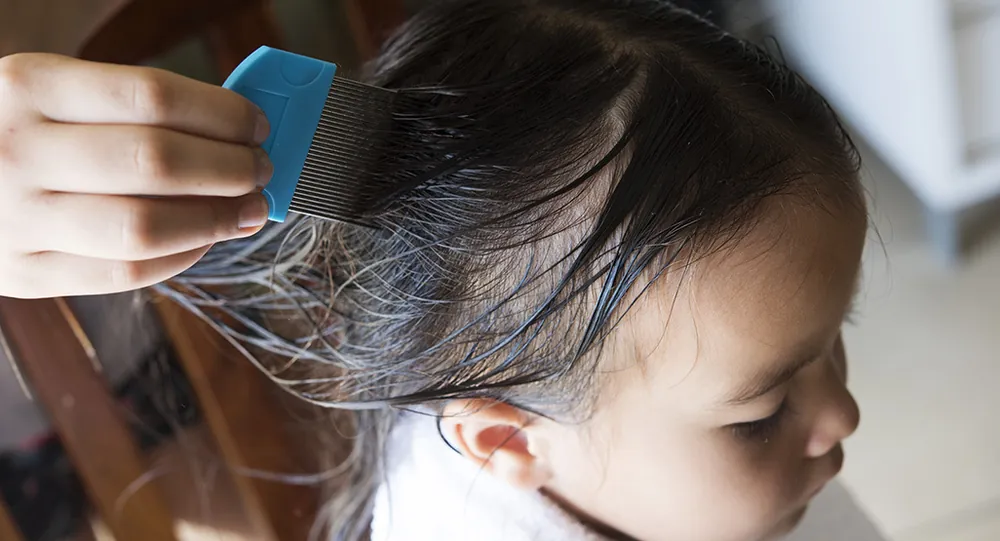
Fine-toothed detection comb being drawn through a child’s wet hair

How we treat it

Speak to our pharmacist in the private consultation room. Where appropriate we can supply treatment free of charge under the local NHS minor ailments scheme, or recommend the best over-the-counter option.

Who's eligible?

Free NHS treatment is available if you are registered with a participating local GP and do not pay for prescriptions; everyone else can still get expert advice and low-cost treatment. Use our one-minute eligibility checker and our pharmacist will be in touch to arrange your consultation — or just walk in.

Get help today instead if you have:Call us on 0121 500 5756, your GP, or NHS 111. In an emergency call 999.
Start eligibility check →

Head Lice, explained

What it is, what to look out for, and what actually helps — from the pharmacists who treat it every day.

What are head lice?

Head lice are tiny insects that live in hair and feed on blood from the scalp. They're a fact of life in primary schools — they spread by direct head-to-head contact, can't jump or fly, and having them says nothing about how clean anyone's hair is.

The eggs (nits) glue themselves to hair shafts close to the scalp and hatch within about a week, which is why one-off treatments so often 'fail'. Our pharmacists can confirm live lice, recommend the right lotion or wet-combing routine, and make sure the crucial repeat treatment actually happens.

Your child may have head lice if they have:

  • 1
    An itchy scalp — though many children don't itch at all
  • 2
    A feeling of something moving in the hair
  • 3
    Small white or brown eggs (nits) stuck to hairs near the scalp
  • 4
    Live lice the size of a sesame seed, seen when wet-combing
  • 5
    Red marks or rash on the scalp or back of the neck
How do I check for head lice properly?
Wet the hair, add plenty of conditioner, and comb through section by section with a fine-toothed detection comb, wiping the comb on white paper after each stroke. Finding a live moving louse confirms infestation — old empty egg cases alone don't. Check the whole household the same day.
What's the best treatment for head lice?
Two solid options: a medicated lotion or spray (usually dimeticone-based, which suffocates lice rather than poisoning them), or systematic wet-combing with conditioner every 3–4 days for two weeks. Whichever you choose, treat again after 7 days to catch lice hatched from surviving eggs — skipping that second round is the number one reason lice come back.
Why do head lice keep coming back?
Usually one of three things: the second treatment was missed, close contacts weren't checked and treated at the same time, or the child was reinfected at school. Only treat people with confirmed live lice — but check everyone, and tell school so other parents check too.
Do I need to wash all the bedding and boil the hairbrushes?
Lice can't survive long away from a scalp, so deep-cleaning the house is unnecessary. Washing pillowcases and soaking combs and brushes in hot water on treatment day is plenty. Your energy is far better spent on thorough combing and the repeat treatment.
Should my child stay off school with head lice?
No — there's no need to keep children off school for head lice. Treat promptly, tie long hair back, and let the school know so classmates get checked. Discouraging head-to-head contact (and shared selfies!) is the most effective prevention there is.

Read more on this

Written by our pharmacy team — practical detail on treatment, timing and when to get help.

Health HubHead Lice: Wet Combing, Treatments, and Why They Keep Coming BackHow to check properly, and why the seven-day repeat is non-negotiable.Read the guide →
All health articles →
This may be free on the NHS

Headlice is covered by the NHS Minor Ailments Scheme. If you are exempt from prescription charges and registered with a Black Country GP, our pharmacist can supply the medicine free of charge — no GP appointment needed.

Check if you qualify →
0121 500 5756