Sandwell Pharmacy Group
Pharmacy First & Minor Illness

Athlete's Foot

Athlete's Foot is one of the everyday conditions our pharmacists treat through our free NHS minor illness service — advice and treatment without a GP appointment.
Check eligibility & get treated →
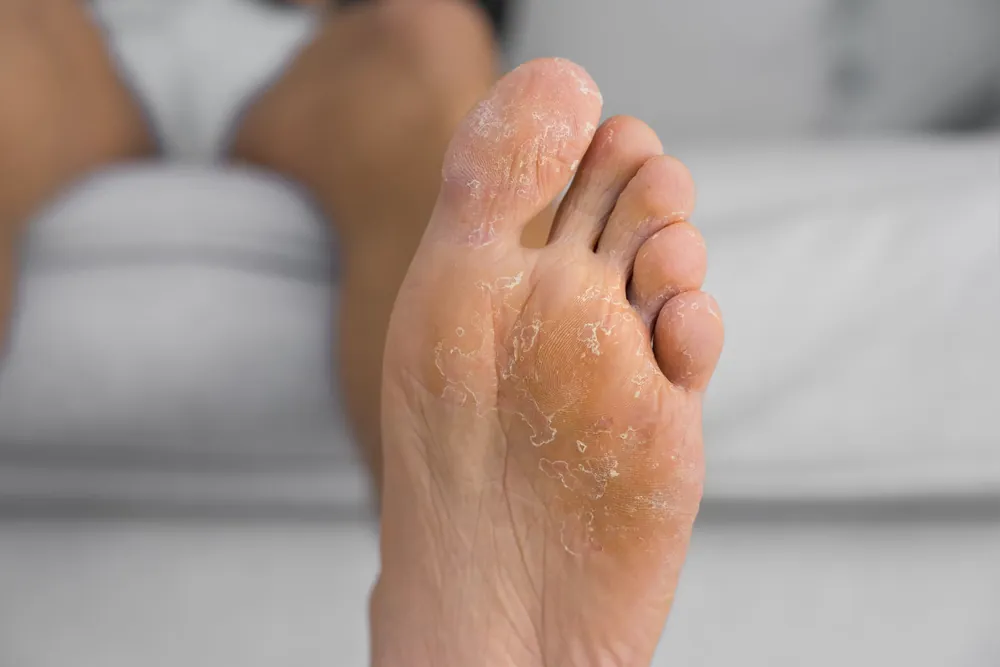
Peeling, flaking skin on the sole and toes of a foot

How we treat it

Speak to our pharmacist in the private consultation room. Where appropriate we can supply treatment free of charge under the local NHS minor ailments scheme, or recommend the best over-the-counter option.

Who's eligible?

Free NHS treatment is available if you are registered with a participating local GP and do not pay for prescriptions; everyone else can still get expert advice and low-cost treatment. Use our one-minute eligibility checker and our pharmacist will be in touch to arrange your consultation — or just walk in.

Get help today instead if you have:Call us on 0121 500 5756, your GP, or NHS 111. In an emergency call 999.
Start eligibility check →

Athlete's Foot, explained

What it is, what to look out for, and what actually helps — from the pharmacists who treat it every day.

What is athlete's foot?

Athlete's foot is a fungal infection of the skin on the feet, usually starting in the warm, damp spaces between the toes. The fungus thrives in sweaty socks, tight trainers and communal wet floors — you don't have to be an athlete, just have feet that spend time warm and moist.

It causes itchy, flaky, sometimes cracked and sore skin, and left untreated it can spread to the soles, toenails and even the hands. Effective antifungal creams, sprays and powders are available right over the counter — our pharmacist will match the right one to how your skin looks.

You may have athlete's foot if you have:

  • 1
    Itchy, burning or stinging skin between the toes
  • 2
    White, soggy-looking or flaky, peeling skin
  • 3
    Cracked or split skin that can be sore or bleed
  • 4
    Redness, scaling or small blisters on the soles or sides
  • 5
    An unpleasant smell from the affected foot
What causes athlete's foot?
Dermatophyte fungi that feed on the keratin in skin. They love warmth and moisture — sweaty feet in enclosed shoes, wet changing-room floors, shared towels and pool sides. Once established, the fungus sheds spores in skin flakes, which is how it spreads to other people and other parts of your body.
How is athlete's foot treated?
Antifungal creams, sprays or powders from the pharmacy clear most cases — terbinafine cream typically works fastest, often within a week, while others need up to four weeks. The golden rule: keep using the treatment for the full course (usually 1–2 weeks after the skin looks normal), or it comes straight back.
How do I stop it coming back?
Dry thoroughly between your toes after every wash, change socks daily, alternate pairs of shoes so each dries fully, and wear flip-flops in communal showers and pools. An antifungal powder dusted into shoes kills lingering spores. Never share towels while infected.
Can athlete's foot spread to my toenails?
Yes — untreated, the same fungus commonly moves into the nails, turning them thick, yellow and crumbly. Nail infections take months of treatment to clear, so treating the skin promptly is well worth it. If a nail is already affected, come and ask us — options range from paint-on lacquers to GP-prescribed tablets.
When should I see someone about it?
See our pharmacist first — but seek further help if there's no improvement after two weeks of proper treatment, if the foot becomes hot, swollen and painful (possible bacterial infection), or if you have diabetes. Foot infections in diabetes need prompt professional care, so don't self-treat cracked or broken skin without advice.

Read more on this

Written by our pharmacy team — practical detail on treatment, timing and when to get help.

Health HubAthlete’s Foot That Keeps Coming Back: How to Break the CycleWhy it returns, how long to keep treating, and the shoe habits that stop it.Read the guide →
All health articles →
This may be free on the NHS

Athletes Foot is covered by the NHS Minor Ailments Scheme. If you are exempt from prescription charges and registered with a Black Country GP, our pharmacist can supply the medicine free of charge — no GP appointment needed.

Check if you qualify →
0121 500 5756