Sandwell Pharmacy Group
Pharmacy First & Minor Illness

Mouth Ulcers

Mouth Ulcers is one of the everyday conditions our pharmacists treat through our free NHS minor illness service — advice and treatment without a GP appointment.
Check eligibility & get treated →
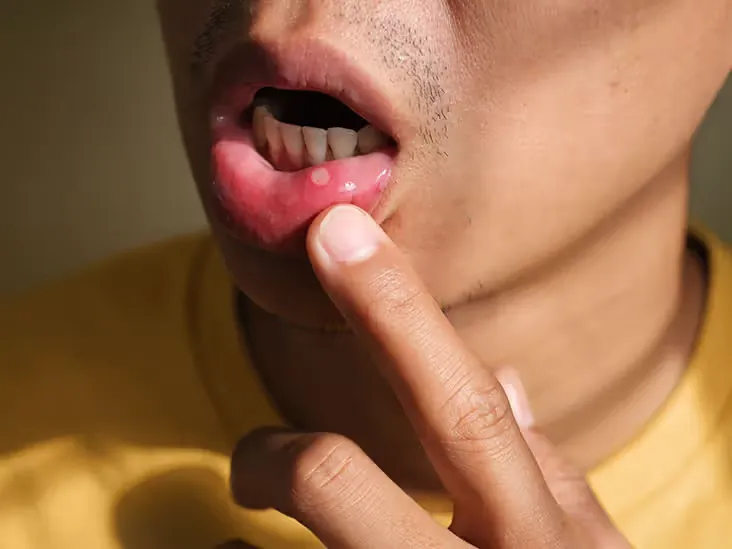
Man pulling down his lower lip to show a mouth ulcer

How we treat it

Speak to our pharmacist in the private consultation room. Where appropriate we can supply treatment free of charge under the local NHS minor ailments scheme, or recommend the best over-the-counter option.

Who's eligible?

Free NHS treatment is available if you are registered with a participating local GP and do not pay for prescriptions; everyone else can still get expert advice and low-cost treatment. Use our one-minute eligibility checker and our pharmacist will be in touch to arrange your consultation — or just walk in.

Get help today instead if you have:Call us on 0121 500 5756, your GP, or NHS 111. In an emergency call 999.
Start eligibility check →

Mouth Ulcers, explained

What it is, what to look out for, and what actually helps — from the pharmacists who treat it every day.

What are mouth ulcers?

Mouth ulcers are small, shallow, painful sores inside the mouth — on the cheeks, lips, tongue or gums. Most are minor aphthous ulcers: round or oval, white-yellow with a red border, and healed within one to two weeks without leaving a mark.

They're annoying rather than dangerous, but they can make eating, drinking and even talking uncomfortable. Pharmacy treatments — protective gels, anaesthetic and antimicrobial rinses — take the edge off and speed healing, and our pharmacist can spot the ulcers that need a doctor or dentist's opinion.

You may have a mouth ulcer if you have:

  • 1
    A round or oval sore inside the mouth, white or yellow with a red edge
  • 2
    Pain or stinging, worse with hot, spicy, salty or acidic food
  • 3
    Swelling or tenderness around the ulcer
  • 4
    Sometimes several ulcers at once
  • 5
    Larger ulcers may make speaking and eating awkward
What causes mouth ulcers?
Often a simple knock — biting your cheek, a sharp tooth, rough brushing or ill-fitting dentures. Stress, tiredness, hormonal changes, stopping smoking and certain foods (chocolate, coffee, tomatoes, citrus) trigger them in some people. Recurrent crops can be linked to low iron, B12 or folate, coeliac disease or Crohn's — worth investigating if they keep coming.
How can I treat a mouth ulcer?
Protective gels and pastes shield the ulcer while it heals; anaesthetic gels, sprays and lozenges numb the pain; and antimicrobial mouthwash keeps it clean and can shorten healing. A soft toothbrush, avoiding trigger foods and drinking through a straw all help. Most heal in 1–2 weeks whatever you do — treatment is about comfort.
Are mouth ulcers contagious?
No — ordinary aphthous ulcers can't be passed on by kissing or sharing cutlery. Cold sores are the contagious lookalike, but they're caused by a virus and appear on the lips and outside of the mouth rather than inside.
Why do I keep getting mouth ulcers?
Recurrent ulcers usually run in families and flare with stress, poor sleep or hormonal cycles. But repeated crops deserve a check of iron, B12 and folate levels, and a review of any medicines you take. Keep a note of when they appear — patterns help your pharmacist or GP find the trigger.
When should a mouth ulcer be checked by a professional?
Any ulcer lasting more than three weeks needs a dentist or GP review — persistent ulcers must be checked to rule out anything serious, especially in smokers and drinkers. Also seek advice for an ulcer that keeps growing, bleeds, is unusually painless, or comes with unexplained weight loss or lumps in the neck.

Read more on this

Written by our pharmacy team — practical detail on treatment, timing and when to get help.

Health HubMouth Ulcers: What Helps, and the One That Needs CheckingWhy the three-week rule matters more than any treatment.Read the guide →
All health articles →
This may be free on the NHS

Mouth Ulcers is covered by the NHS Minor Ailments Scheme. If you are exempt from prescription charges and registered with a Black Country GP, our pharmacist can supply the medicine free of charge — no GP appointment needed.

Check if you qualify →
0121 500 5756