Sandwell Pharmacy Group
Pharmacy First & Minor Illness

Teething

Teething is one of the everyday conditions our pharmacists treat through our free NHS minor illness service — advice and treatment without a GP appointment.
Check eligibility & get treated →
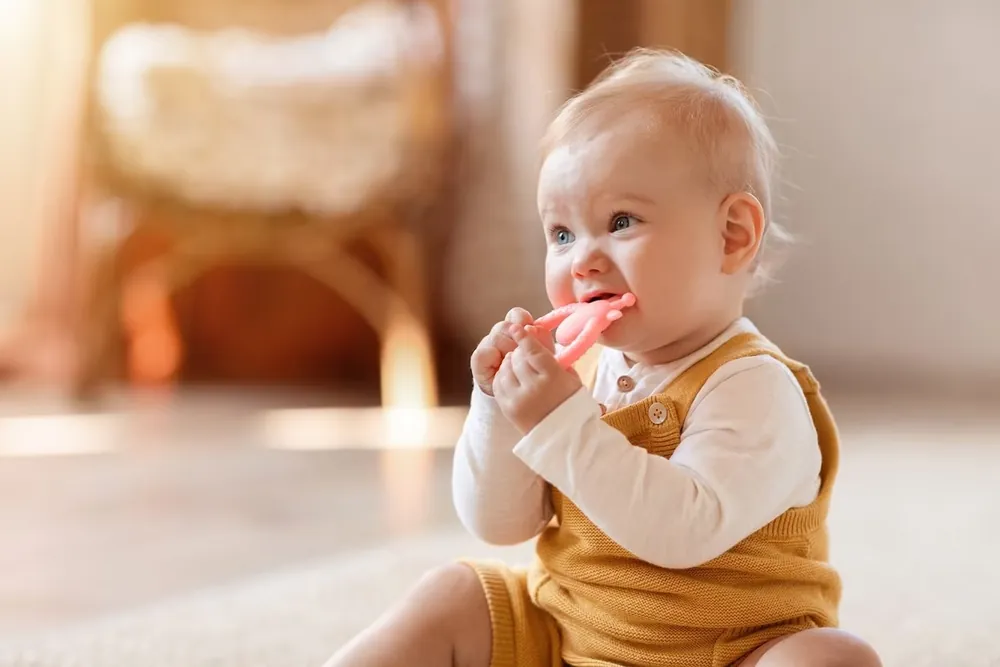
Baby chewing on a silicone teething toy

How we treat it

Speak to our pharmacist in the private consultation room. Where appropriate we can supply treatment free of charge under the local NHS minor ailments scheme, or recommend the best over-the-counter option.

Who's eligible?

Free NHS treatment is available if you are registered with a participating local GP and do not pay for prescriptions; everyone else can still get expert advice and low-cost treatment. Use our one-minute eligibility checker and our pharmacist will be in touch to arrange your consultation — or just walk in.

Get help today instead if you have:Call us on 0121 500 5756, your GP, or NHS 111. In an emergency call 999.
Start eligibility check →

Teething, explained

What it is, what to look out for, and what actually helps — from the pharmacists who treat it every day.

What is teething?

Teething is the process of a baby's first teeth pushing through the gums, usually starting around six months — though anywhere from three months to after the first birthday is normal. The bottom front teeth generally arrive first, and the full set of 20 baby teeth is usually through by age two and a half.

Some babies sail through it; others have days of sore gums, dribbling and grumpiness before each tooth. Our pharmacists can recommend safe, age-appropriate relief — from teething rings to sugar-free gels and the right doses of infant paracetamol or ibuprofen — and help you tell teething apart from illness.

Your baby may be teething if they have:

  • 1
    Red, swollen or tender gums where a tooth is coming
  • 2
    More dribbling than usual, sometimes with a mild chin rash
  • 3
    Chewing and gnawing on fists, toys and anything in reach
  • 4
    A flushed cheek on one side
  • 5
    Grumpiness, unsettled sleep and mild temperature (below 38°C)
How can I soothe a teething baby?
Cold works best: a chilled (not frozen) teething ring, a cold wet flannel to chew, or chilled soft fruit in a mesh feeder for babies on solids. Gently rubbing the gum with a clean finger comforts many babies. If they're clearly in pain, infant paracetamol (from 2 months) or ibuprofen (from 3 months, over 5kg) at the correct dose helps — we'll check the dose with you.
Are teething gels and powders safe?
Choose sugar-free teething gels made for babies and use them sparingly — evidence for how well they work is limited, but they're safe used as directed. Avoid gels containing salicylate, and be cautious with herbal granules and amber necklaces: necklaces are a genuine choking and strangulation hazard and are not recommended.
Does teething cause fever or diarrhoea?
Teething can cause a slightly raised temperature, but not a true fever of 38°C or above — and it doesn't cause diarrhoea, vomiting or a rash. Those symptoms mean something else is going on, so treat them as you would any illness and get your baby checked rather than blaming the teeth.
When do teeth come through, and what if they're late?
Typically: bottom front teeth around 5–7 months, top front 6–8 months, molars 12–16 months, and canines 16–20 months. Plenty of healthy babies are later at every stage. If there are no teeth at all by 18 months, mention it to your health visitor or dentist — usually all is well.
How do I care for baby teeth once they arrive?
Start brushing as soon as the first tooth appears — twice a day with a smear of fluoride toothpaste (at least 1,000ppm). Avoid sugary drinks and never put juice in a bottle. Take your baby along to your own dental check-ups early, and get them registered with the dentist before their first birthday — NHS dental care is free for children.

Read more on this

Written by our pharmacy team — practical detail on treatment, timing and when to get help.

Health HubTeething: What Helps, What to Avoid, and What Is Not TeethingSafe relief, products to steer clear of, and symptoms never to blame on teeth.Read the guide →
All health articles →
This may be free on the NHS

Mouth Ulcers and Teething is covered by the NHS Minor Ailments Scheme. If you are exempt from prescription charges and registered with a Black Country GP, our pharmacist can supply the medicine free of charge — no GP appointment needed.

Check if you qualify →
0121 500 5756