Sandwell Pharmacy Group
Pharmacy First & Minor Illness

Shingles

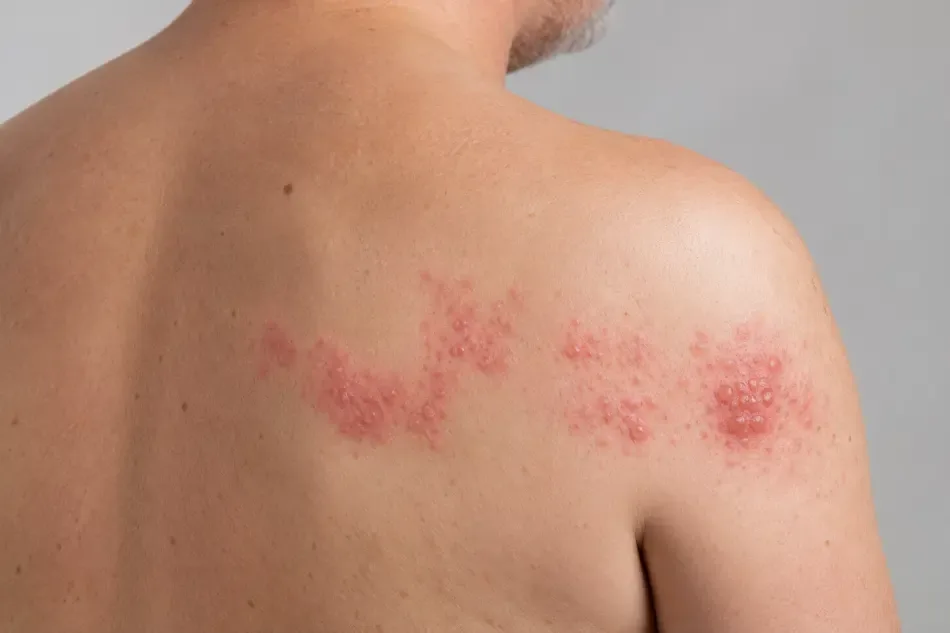
Shingles is a painful, blistering rash that appears on one side of the body, often preceded by tingling or burning. Early treatment works best — ideally within 72 hours of the rash appearing.
Check eligibility & get treated →
Shingles rash forming a band of blisters across a man’s shoulder and back

How we treat it

We can assess the rash and supply NHS antiviral treatment where appropriate for adults aged 18 and over — the sooner you come in, the better.

Who's eligible?

Available free on the NHS for adults aged 18 or over. Use our one-minute eligibility checker and our pharmacist will be in touch to arrange your consultation — or just walk in.

Get help today instead if you have:Call us on 0121 500 5756, your GP, or NHS 111. In an emergency call 999.
Start eligibility check →

Shingles, explained

What it is, what to look out for, and what actually helps — from the pharmacists who treat it every day.

What is shingles?

Shingles is a painful, blistering rash caused by the chickenpox virus reactivating in your body, usually years or decades after the original infection. It typically appears as a band or patch on one side of the body or face, often preceded by days of tingling, burning or stabbing pain in that area before anything is visible.

Antiviral treatment works best when started within 72 hours of the rash appearing, so speed matters. Under Pharmacy First our pharmacist can assess suspected shingles and supply NHS antiviral treatment where appropriate for adults aged 18 and over — walk in as soon as you notice the rash.

You may have shingles if you notice:

  • 1
    Tingling, burning or sharp pain in one area, often before any rash
  • 2
    A red, blotchy rash appearing on one side of the body or face
  • 3
    Fluid-filled blisters that burst and crust over
  • 4
    Skin so sensitive that clothes brushing it hurts
  • 5
    Headache, fever and feeling generally unwell
What causes shingles — and is it contagious?
After chickenpox, the varicella-zoster virus lies dormant in your nerves; shingles is that virus waking up, often when your immune system is run down by age, stress or illness. You can't catch shingles from someone, but a person who has never had chickenpox can catch chickenpox from fluid in shingles blisters — so keep the rash covered and avoid pregnant women, newborns and anyone immunosuppressed until it crusts over.
Why do I need treatment within 72 hours?
Antiviral tablets work by stopping the virus multiplying, so they're most effective started within three days of the rash appearing. Early treatment can shorten the illness, reduce its severity and lower the risk of long-lasting nerve pain afterwards. If you suspect shingles, don't wait to see how it goes — come in the same day.
How do I look after shingles at home?
Take paracetamol for the pain, keep the rash clean and dry, and wear loose clothing. A cool compress soothes the blisters — but don't burst them, and don't use antibiotic creams or plasters that stick. Rest as much as you can; shingles is more draining than people expect.
What is post-herpetic neuralgia?
It's nerve pain that continues in the area after the rash has healed — burning, stabbing or extreme sensitivity that can last months. It's more common over 50 and after severe shingles, and it's the main complication early antiviral treatment aims to prevent. If pain persists after healing, see your GP; there are specific treatments.
When is shingles urgent?
Same-day help if the rash involves your eye, nose tip or ear, if your face droops or hearing changes, or if you're pregnant or have a weakened immune system. Shingles around the eye can threaten your sight and needs urgent assessment. Call us, your GP or 111 straight away.

Read more on this

Written by our pharmacy team — practical detail on treatment, timing and when to get help.

Health HubShingles: Why the First 72 Hours Decide EverythingAntivirals work best started within three days of the rash.Read the guide →
All health articles →
0121 500 5756