Sandwell Pharmacy Group
Pharmacy First & Minor Illness

Nappy Rash

Nappy Rash is one of the everyday conditions our pharmacists treat through our free NHS minor illness service — advice and treatment without a GP appointment.
Check eligibility & get treated →
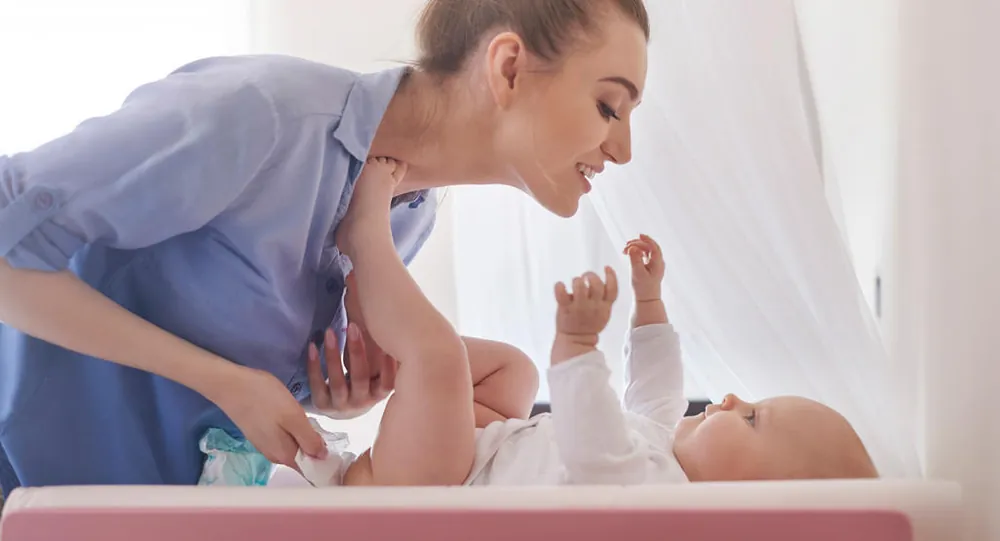
Parent changing a baby’s nappy on a changing mat

How we treat it

Speak to our pharmacist in the private consultation room. Where appropriate we can supply treatment free of charge under the local NHS minor ailments scheme, or recommend the best over-the-counter option.

Who's eligible?

Free NHS treatment is available if you are registered with a participating local GP and do not pay for prescriptions; everyone else can still get expert advice and low-cost treatment. Use our one-minute eligibility checker and our pharmacist will be in touch to arrange your consultation — or just walk in.

Get help today instead if you have:Call us on 0121 500 5756, your GP, or NHS 111. In an emergency call 999.
Start eligibility check →

Nappy Rash, explained

What it is, what to look out for, and what actually helps — from the pharmacists who treat it every day.

What is nappy rash?

Nappy rash is red, sore, inflamed skin in the nappy area, caused by skin sitting against wetness, urine and poo — sometimes made worse by friction, or by thrush taking hold on already-irritated skin. Most babies get it at some point, however carefully they're looked after.

Mild nappy rash usually clears in a few days with frequent changes, gentle cleaning and a barrier cream. Our pharmacists can tell ordinary nappy rash from thrush (which needs an antifungal cream) and from the rashes that need a doctor — and recommend exactly what to use at each stage.

Your baby may have nappy rash if they have:

  • 1
    Red or raw patches on the bottom, thighs or genitals
  • 2
    Skin that looks sore, feels warm, or has spots and blisters
  • 3
    A baby who's unsettled, especially at nappy changes
  • 4
    Bright red rash with satellite spots may suggest thrush
  • 5
    In darker skin, the rash may look darker rather than red
What causes nappy rash?
Wet or soiled nappies left against the skin, friction from the nappy itself, and the change in skin pH when urine and poo mix. Teething, illness, antibiotics and the move to solid foods can all make a baby's skin more reactive for a while. Thrush (a yeast) often moves in on skin that's already sore.
How do I treat nappy rash at home?
Change nappies promptly and frequently, clean with water or fragrance-free wipes, pat dry, and give as much nappy-free time as you can — air is the best healer. Apply a thin layer of barrier cream at each change. Most mild rashes improve within about three days of this routine.
How do I know if it's thrush rather than ordinary nappy rash?
Thrush tends to be brighter red, lasts beyond a few days despite good care, involves the skin folds, and shows small 'satellite' spots around the edge of the main rash. It needs an antifungal cream, which we can supply — barrier cream alone won't clear it.
Which cream should I use — and how much?
For prevention and mild rash: a simple barrier cream (zinc or petroleum-based) applied thinly — a thick layer stops the nappy absorbing moisture and can make things worse. For confirmed thrush: an antifungal cream, used for the full course. Steroid creams should only be used on a doctor or pharmacist's advice in a baby.
When should nappy rash be seen by a professional?
If it hasn't improved after a week of good care, keeps coming back, spreads beyond the nappy area, blisters, weeps, bleeds or crusts, or your baby has a fever and seems unwell. Bright yellow crusting can mean a bacterial infection needing treatment — get it checked promptly.

Read more on this

Written by our pharmacy team — practical detail on treatment, timing and when to get help.

Health HubNappy Rash: Barrier Creams, and How to Spot When It Is ThrushThe difference is the skin folds — and it changes the treatment.Read the guide →
All health articles →
This may be free on the NHS

Nappy Rash is covered by the NHS Minor Ailments Scheme. If you are exempt from prescription charges and registered with a Black Country GP, our pharmacist can supply the medicine free of charge — no GP appointment needed.

Check if you qualify →
0121 500 5756