Sandwell Pharmacy Group
Pharmacy First & Minor Illness

Diarrhoea

Diarrhoea is one of the everyday conditions our pharmacists treat through our free NHS minor illness service — advice and treatment without a GP appointment.
Check eligibility & get treated →
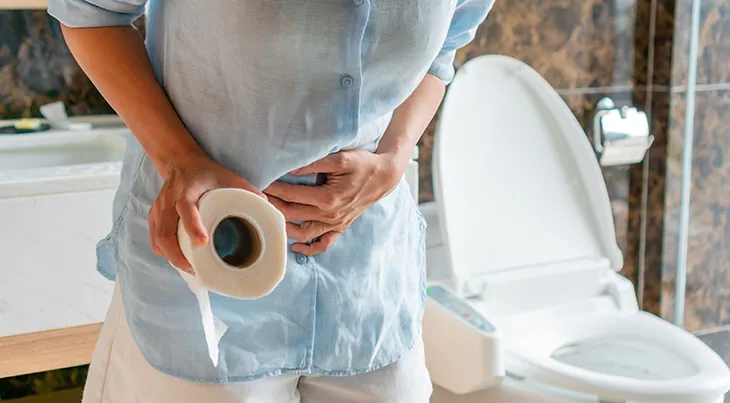
Person holding a toilet roll with a hand on their stomach

How we treat it

Speak to our pharmacist in the private consultation room. Where appropriate we can supply treatment free of charge under the local NHS minor ailments scheme, or recommend the best over-the-counter option.

Who's eligible?

Free NHS treatment is available if you are registered with a participating local GP and do not pay for prescriptions; everyone else can still get expert advice and low-cost treatment. Use our one-minute eligibility checker and our pharmacist will be in touch to arrange your consultation — or just walk in.

Get help today instead if you have:Call us on 0121 500 5756, your GP, or NHS 111. In an emergency call 999.
Start eligibility check →

Diarrhoea, explained

What it is, what to look out for, and what actually helps — from the pharmacists who treat it every day.

What is diarrhoea?

Diarrhoea is passing loose, watery stools more often than normal, usually caused by a gut infection — viral 'stomach bugs' like norovirus, or bacteria from food. In adults it typically settles within five to seven days; the main job while it runs its course is staying hydrated.

Our pharmacists can supply oral rehydration sachets, advise when loperamide is appropriate (and when it isn't), and crucially spot the situations that need medical attention — young children, older adults, blood in the stool, or diarrhoea after travel or antibiotics.

You may have diarrhoea if you have:

  • 1
    Loose or watery stools, more frequent than usual
  • 2
    Stomach cramps and an urgent need to go
  • 3
    Nausea, and sometimes vomiting alongside
  • 4
    Fever, headache and aching in infectious causes
  • 5
    Signs of dehydration: thirst, dark urine, dizziness, dry mouth
What causes diarrhoea?
Most short-lived diarrhoea is infectious — norovirus and rotavirus, or food-poisoning bacteria like campylobacter and salmonella. Other causes include antibiotics disturbing the gut, anxiety, too much caffeine or sweeteners, and conditions like IBS. Diarrhoea that keeps recurring or persists beyond a couple of weeks needs looking into rather than just managing.
How should I treat diarrhoea at home?
Drink little and often — water, diluted squash, and oral rehydration sachets which replace salts as well as fluid (especially important for children and older adults). Eat when you feel able; plain food is easiest. Loperamide can reduce adult diarrhoea when you need to function, but avoid it if there's blood in your stool or a high fever, and don't give it to children.
How do I stop it spreading to the rest of the house?
Wash hands thoroughly with soap and water after the toilet and before food — alcohol gel does not kill norovirus. Don't share towels, clean bathroom surfaces frequently, and don't prepare food for others while symptomatic. Stay off work or school until 48 hours after the last episode of diarrhoea or vomiting.
What are the signs of dehydration to watch for?
In adults: dark, strong-smelling urine, dizziness, dry mouth, tiredness and passing little urine. In babies and children: fewer wet nappies, no tears when crying, a sunken soft spot, drowsiness and irritability. Dehydration in babies, young children and the elderly can develop fast — treat these groups with rehydration sachets early and seek help if in doubt.
When does diarrhoea need medical attention?
Same-day advice for blood or black colour in the stool, severe or constant tummy pain, signs of dehydration that aren't improving, diarrhoea after recent travel abroad or a course of antibiotics, or in anyone very young, elderly, pregnant or immunosuppressed. Adult diarrhoea lasting beyond about 7 days, or vomiting beyond 2, should also be checked.

Read more on this

Written by our pharmacy team — practical detail on treatment, timing and when to get help.

Health HubDiarrhoea: When Loperamide Helps — and When You Should Not Take ItRehydration first, and the situations where anti-diarrhoeals are unsafe.Read the guide →
All health articles →
This may be free on the NHS

Diarrhoea is covered by the NHS Minor Ailments Scheme. If you are exempt from prescription charges and registered with a Black Country GP, our pharmacist can supply the medicine free of charge — no GP appointment needed.

Check if you qualify →
0121 500 5756