Sandwell Pharmacy Group
Pharmacy First & Minor Illness

Constipation

Constipation is one of the everyday conditions our pharmacists treat through our free NHS minor illness service — advice and treatment without a GP appointment.
Check eligibility & get treated →
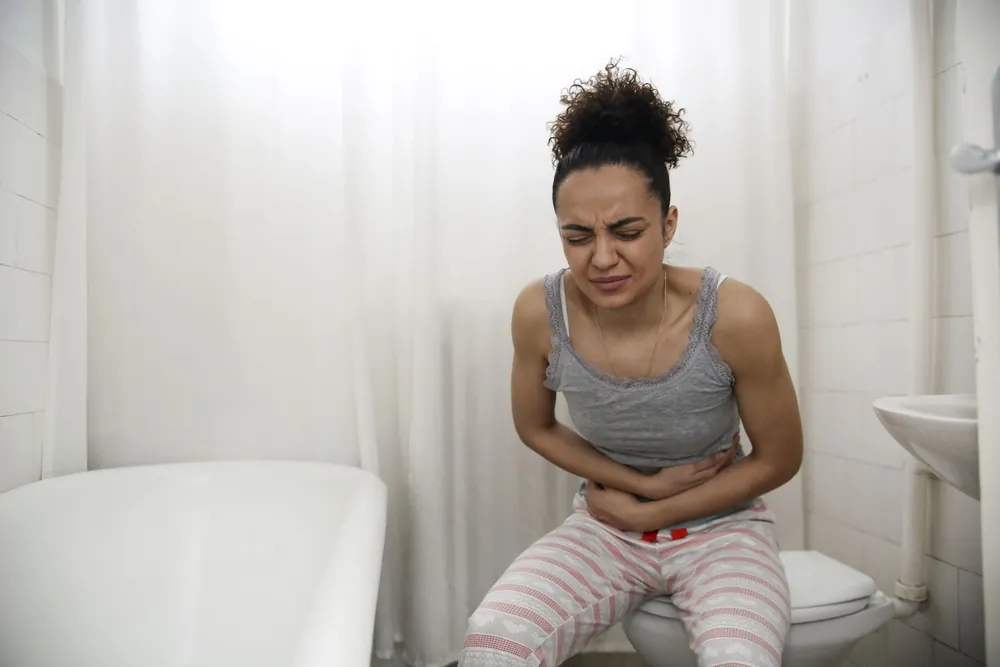
Woman sitting on the toilet holding her stomach in discomfort

How we treat it

Speak to our pharmacist in the private consultation room. Where appropriate we can supply treatment free of charge under the local NHS minor ailments scheme, or recommend the best over-the-counter option.

Who's eligible?

Free NHS treatment is available if you are registered with a participating local GP and do not pay for prescriptions; everyone else can still get expert advice and low-cost treatment. Use our one-minute eligibility checker and our pharmacist will be in touch to arrange your consultation — or just walk in.

Get help today instead if you have:Call us on 0121 500 5756, your GP, or NHS 111. In an emergency call 999.
Start eligibility check →

Constipation, explained

What it is, what to look out for, and what actually helps — from the pharmacists who treat it every day.

What is constipation?

Constipation means opening your bowels less often than is normal for you, or passing stools that are hard, dry and difficult or painful to pass. There's no single 'right' frequency — anywhere from three times a day to three times a week can be normal — what matters is a change from your usual pattern.

It's one of the most common problems we see, and in most people it responds well to changes in fibre, fluid and activity, with laxatives as a short-term bridge. Our pharmacists can recommend the right type of laxative for your situation — they are not all the same — and spot the cases that need a GP.

You may have constipation if you have:

  • 1
    Fewer bowel movements than is usual for you
  • 2
    Hard, dry, lumpy stools that are difficult or painful to pass
  • 3
    Straining, or feeling you haven't fully emptied
  • 4
    Bloating, discomfort or cramping in your tummy
  • 5
    Feeling sluggish, and in children: soiling, tummy ache and avoiding the toilet
What causes constipation?
Most often: not enough fibre or fluid, not enough movement, ignoring the urge to go, and changes to routine like travel or shift work. Pregnancy, stress and anxiety play a big role. Many medicines cause it too — codeine and other opioids, iron tablets, some antidepressants and antacids — so bring your medicines list and we'll check.
How can I get things moving naturally?
Build up fibre gradually — wholegrains, fruit, vegetables, beans — and drink plenty of water alongside it (fibre without fluid makes things worse). Move daily, even a brisk walk. Never ignore the urge to go, give yourself unhurried time on the toilet, and try raising your feet on a small stool so your knees sit above your hips — it genuinely helps.
Which laxative should I use?
It depends on the problem. Bulk-forming laxatives (like ispaghula) are the gentlest first step if fibre is low; osmotic laxatives (like macrogol) soften hard stools by drawing in water; stimulant laxatives (like senna) get a lazy bowel moving but are for short-term use. Picking the wrong one is why laxatives 'don't work' — ask us to match one to you.
What about constipation in children?
Very common and very treatable, but worth doing properly — a constipated child often starts withholding because passing stools hurts, which makes everything worse. Plenty of fluids, fruit and encouragement help, but persistent constipation in a child should be reviewed; treatment usually needs a proper course of macrogol, not just a few days.
When is constipation a red flag?
See a GP promptly if constipation is a new, persistent change lasting more than a few weeks, or comes with blood in your stool, unexplained weight loss, constant tummy pain, a lump in your tummy, or alternating constipation and diarrhoea — especially over 50. Sudden complete blockage with vomiting needs same-day help.

Read more on this

Written by our pharmacy team — practical detail on treatment, timing and when to get help.

Health HubConstipation: Which Laxative Does What, and Which to Try FirstThe four types of laxative explained, and when constipation needs a GP.Read the guide →
All health articles →
This may be free on the NHS

Constipation is covered by the NHS Minor Ailments Scheme. If you are exempt from prescription charges and registered with a Black Country GP, our pharmacist can supply the medicine free of charge — no GP appointment needed.

Check if you qualify →
0121 500 5756