
Vitamin D and the Rest: Which Supplements Are Actually Worth Taking
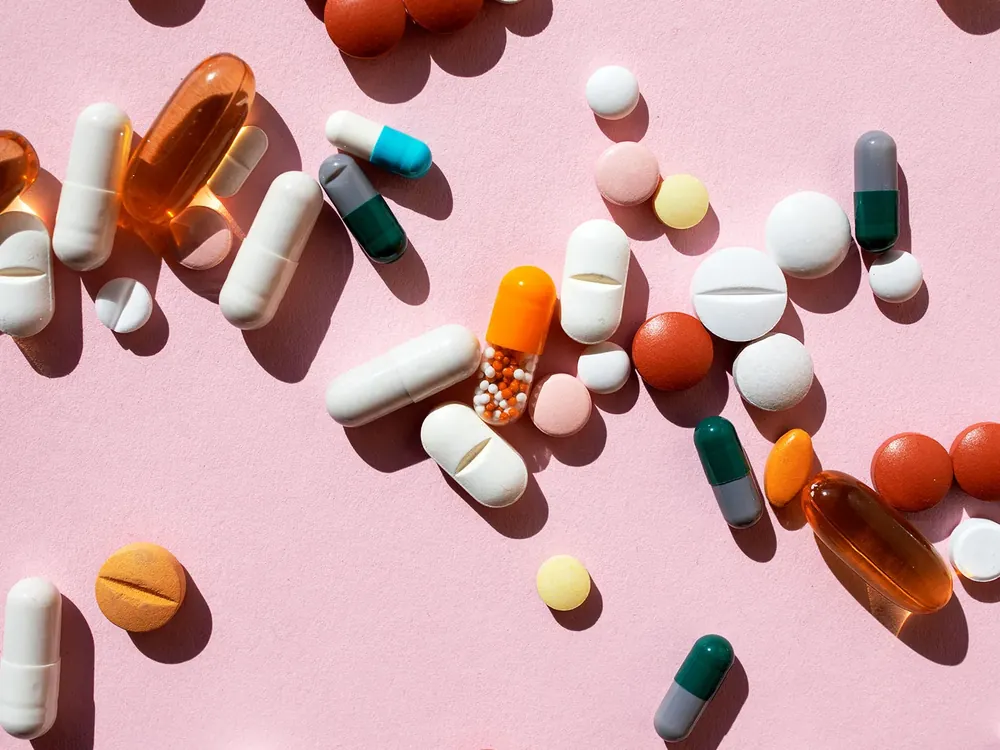
The supplement aisle is enormous, and most of what is in it is unnecessary for most people eating a reasonably varied diet. There are, however, a few that the NHS actively recommends — and one that essentially everyone in the UK should be taking for half the year.
The ones the NHS actually recommends
Vitamin D. Between October and early March, UK sunlight is too weak for the skin to make vitamin D, so everyone over the age of one is advised to take 10 micrograms (400 IU) daily through autumn and winter. Some people should take it all year round: anyone who is rarely outdoors, people in care homes, anyone who usually covers their skin or wears clothing covering most of the body outdoors, and people with darker skin from African, African-Caribbean or South Asian backgrounds, who make vitamin D less efficiently from UK sunlight.
Folic acid in pregnancy. 400 micrograms daily from before conception until the twelfth week of pregnancy reduces the risk of neural tube defects. Some women need a higher prescribed dose — including those with diabetes, a high BMI, epilepsy on certain medicines, or a previous affected pregnancy. Ask before assuming the standard dose is right.
Vitamin drops for children. Babies and young children from six months to five years are advised to have vitamin A, C and D drops. Breastfed babies should have vitamin D from birth; formula-fed babies do not need it until they are having less than 500ml of formula a day, as formula is already fortified.
Vitamin B12 for vegans, since it is found almost exclusively in animal products, and often iron for anyone with a diagnosed deficiency.
The ones that depend on you
Iron is worth taking only if you have a diagnosed deficiency — taking it unnecessarily causes constipation and stomach upset, and excess iron is not harmless. Get a blood test rather than guessing.
Calcium matters if your diet is short of dairy or fortified alternatives, particularly with osteoporosis. Omega-3 has reasonable evidence for triglycerides but a mixed picture for general heart health; eating oily fish twice a week is a better route where possible.
Multivitamins are not harmful at standard doses but are largely unnecessary for someone eating a varied diet, and they are rarely the most useful thing to spend money on.
Where more is genuinely worse
- Vitamin A in high doses is toxic and harmful in pregnancy — avoid supplements containing it, and liver, if you are pregnant.
- More than 25 micrograms of vitamin D daily long-term is not recommended without medical advice; very high doses cause a dangerous rise in blood calcium.
- High-dose vitamin B6 over long periods can cause nerve damage.
- Excess iron can cause organ damage and is dangerous in overdose — keep it well out of reach of children.
Supplements also interact with prescribed medicines: St John’s wort with a long list including contraceptives and antidepressants, vitamin K with warfarin, and calcium or iron with certain antibiotics and thyroid medication. If you take anything regularly, check with us before adding a supplement.
Healthy Start and free vitamins
If you are pregnant or have a child under four and receive certain benefits, the Healthy Start scheme provides free vitamins as well as a card for food. It is worth checking eligibility — many people who qualify do not claim.
Come and ask us if you are not sure what applies to you. It is a five-minute conversation and it often saves people money rather than costing it.
Not sure what you actually need?
1 Lyng Lane, West Bromwich B70 7RW · opening hours vary by branch
Ask our pharmacist →