
Sleep Problems: What Pharmacy Sleep Aids Can and Cannot Do
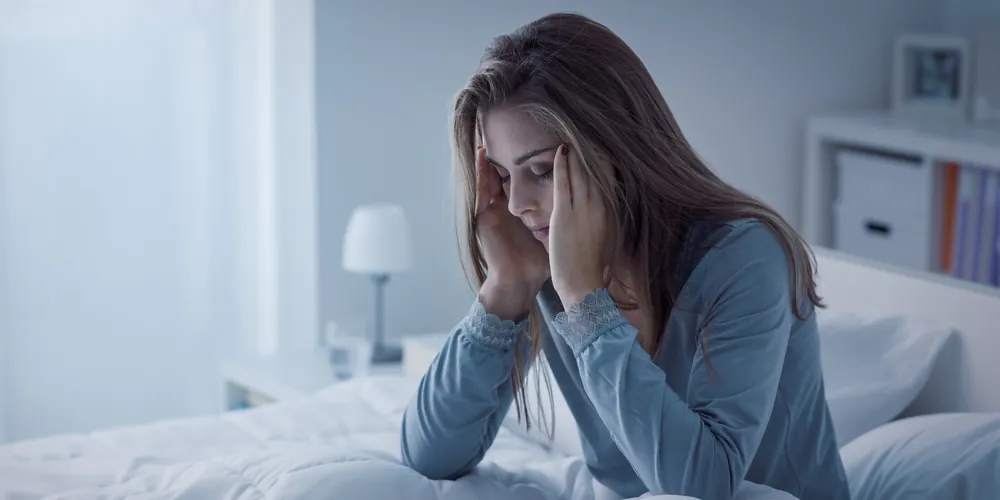
People often come in asking for something to help them sleep, having slept badly for months. The honest answer is that the products on our shelf are designed for a bad week, not a bad year — and that the treatment with by far the best evidence for long-term insomnia is not a tablet at all.
What is available, and what it does
Pharmacy sleep aids mostly contain a sedating antihistamine such as promethazine or diphenhydramine. They can help you fall asleep for a short period — typically recommended for no more than seven to fourteen days — but tolerance develops quickly, and many people feel groggy the next morning.
They are not suitable for everyone. Sedating antihistamines should be avoided or used with caution in older adults, in glaucoma, prostate problems, some breathing conditions, in pregnancy and while breastfeeding, and alongside alcohol or other sedating medicines. Always check with us first rather than assuming an over-the-counter product is automatically safe.
Herbal options such as valerian have limited evidence, but are generally well tolerated. Melatonin in the UK is a prescription-only medicine and is not something we can supply over the counter, whatever you may have seen sold abroad or online.
What actually treats long-term insomnia
For insomnia lasting more than about three months, the recommended first-line treatment is cognitive behavioural therapy for insomnia (CBT-I) rather than medication. It is available through the NHS, and there are self-referral routes to NHS talking therapies in England as well as digital programmes your GP can point you to.
Alongside that, the practical measures do far more than people expect if they are applied consistently:
- Get up at the same time every day, including weekends. This anchors everything else.
- Do not go to bed until you are actually sleepy. Lying awake trains the brain to associate bed with wakefulness.
- If you have been awake around 20 minutes, get up, do something quiet in dim light, and return when sleepy.
- No caffeine after early afternoon — it has a half-life of around five hours and lingers longer than most people think.
- Alcohol helps you fall asleep and then fragments the second half of the night.
- Keep the bedroom cool, dark and quiet, and keep screens out of the last hour.
- Regular daytime exercise helps; late-evening intense exercise often does not.
When to see a GP
Book an appointment if:
- Poor sleep has lasted more than three months, or is affecting your work, mood or safety
- You snore heavily and wake unrefreshed, or your partner has noticed you stop breathing at night — possible sleep apnoea, which needs proper assessment
- You have restless, crawling sensations in the legs at night
- You are low in mood, anxious, or waking very early most mornings — sleep and mental health are closely tied and treating one often helps the other
- Pain, breathlessness or needing to pass urine repeatedly is what wakes you
If you already take a prescribed sleeping tablet and want to come off it, do not stop abruptly — talk to us or your GP about a plan.
Not sleeping? Talk it through with us
1 Lyng Lane, West Bromwich B70 7RW · opening hours vary by branch
Speak to our pharmacist →