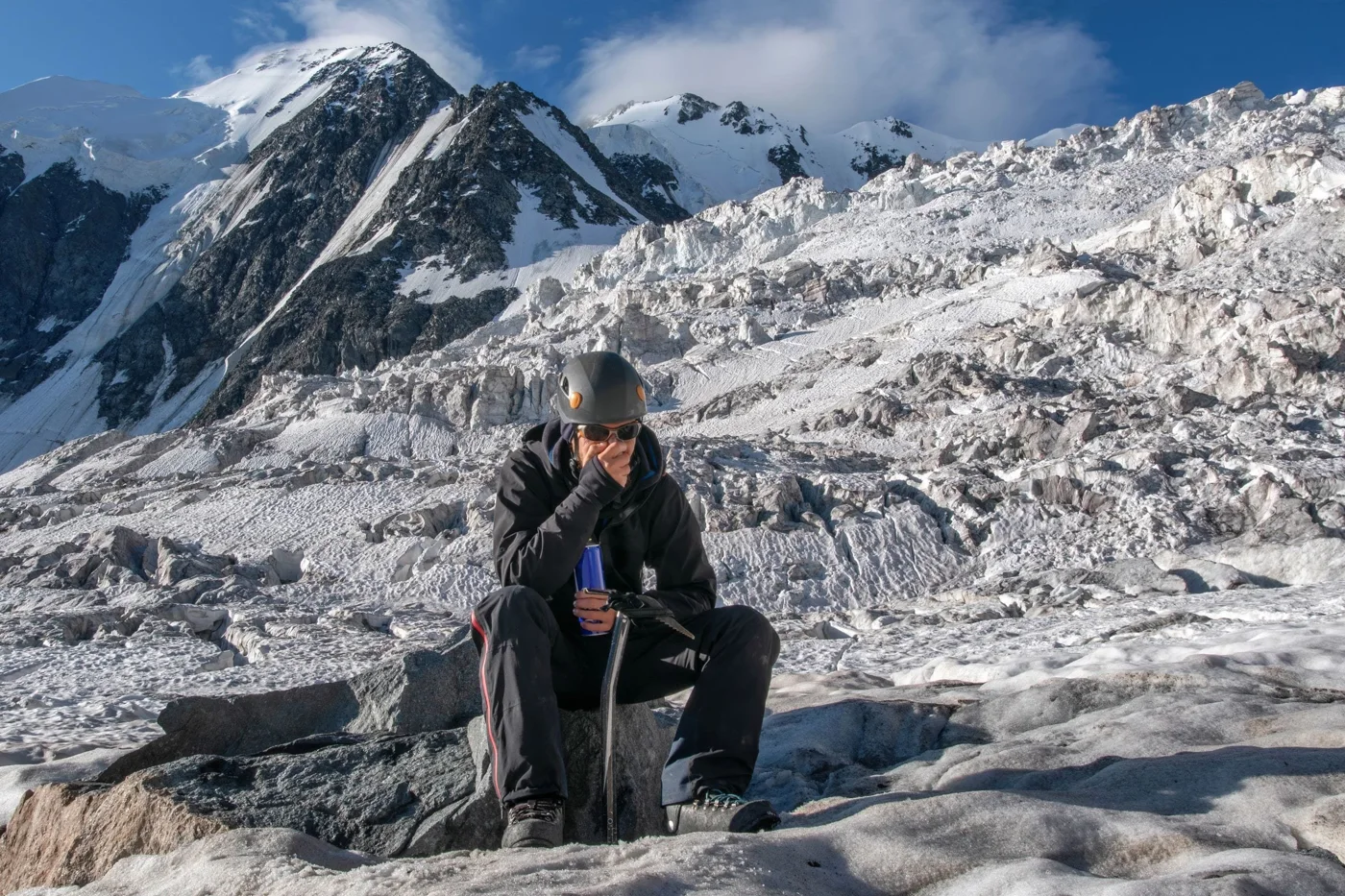
The three big treks share one problem: they take you above 3,000 m faster than your body would choose. Kilimanjaro in particular is usually climbed in five to seven days to nearly 6,000 m, which the Wilderness Medical Society classes as high risk for acute mountain sickness whatever your fitness.
Acetazolamide is the recommended prevention for moderate- and high-risk ascents. Our pharmacists supply it privately for adults after assessing your itinerary — see the altitude sickness service and who needs it and who just needs to slow down. You take a trial dose at home first, start a day or two before ascent, and continue for two days after your highest night.
The rest of the checklist: travel vaccinations for the country (Tanzania, Nepal and Peru each have their own list, and yellow fever certificates apply to some routes), malaria tablets for the lowland part of the trip, standby antibiotics, blister care, sunscreen for altitude UV, and your usual medicines with spares.
Whatever you take, the rule that saves lives is descent: a headache that is getting worse, confusion, vomiting, or breathlessness at rest means go down, now, with someone.
15-minute pharmacist consultation, supplied under a Patient Group Direction. Book a time at any of our six branches or walk in.
Book or find out more →We use essential cookies to make the site work — things like your basket, sign-in and secure checkout. With your permission we’d also like to use analytics cookies to understand how the site is used and improve it. See our cookie policy.